PCR plastic packaging is essential today due to the escalating plastic pollution crisis and its severe environmental impacts.
Since the 1950s, over 9 billion tons of plastic have been produced, yet only about 10% has been recycled. Due to their non-biodegradable nature, the remaining plastic persists in the environment for 500–1,000 years, contributing to severe plastic pollution.
As highlighted in our previous blog on sustainable packaging examples, the need for sustainable solutions is growing rapidly.
PCR plastic packaging helps to address this issue by recycling consumer waste into new products, reducing the amount of plastic that ends up in landfills or oceans.
This approach supports a circular economy, conserves resources, and minimizes waste, making it a crucial step towards a more sustainable future.
Introduction
What is PCR Plastic?
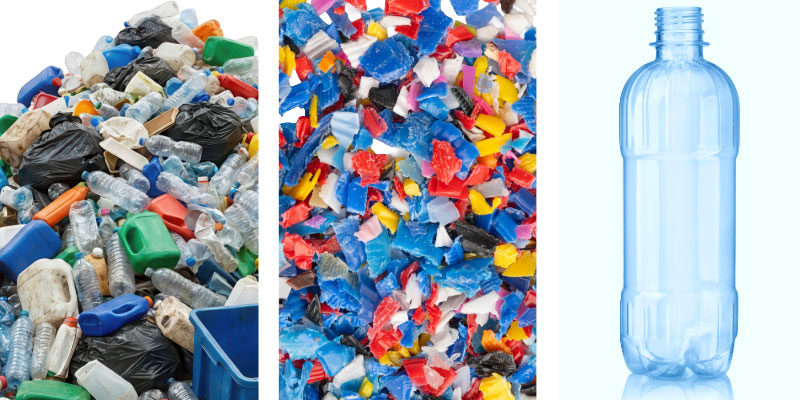
PCR plastic is made from waste plastic materials that have been discarded by consumers. It typically comes from plastic bottles, plastic wraps, and other discarded plastic items. After being collected, cleaned, and processed, it is transformed into usable plastic resin for manufacturing new plastic products.
Waste plastic materials can be water bottles, household product containers, soft drink bottles, plastic wraps and many more.
These materials are commonly found every day in our modern life and contribute significant plastic pollution.
What is PIR Plastic?
PIR (Post-Industrial Recycled) plastic is made from plastic materials that are discarded during the manufacturing process of plastic products, rather than from post-consumer waste.
These plastics are often the off-cuts, trimmings, or scraps that are generated during the production of new plastic products, such as plastic sheets, defected bottles, or packaging materials.
Instead of being discarded as waste, these materials are collected, cleaned, and recycled back into usable plastic resin for creating new products.
PIR (Post-Industrial Recycled) plastic is generally considered more consistent in quality compared to PCR (Post-Consumer Recycled) plastic, since it comes from a controlled industrial environment and is less likely to contain contaminants like food residue or household chemicals.
This makes PIR (Post-Industrial Recycled) plastic an attractive option for manufacturers looking to produce sustainable products without compromising on quality.
Both PCR and PIR plastics are important for a circular economy, where products are made with their recycling in mind. The goal is to reuse materials, reduce waste, and save natural resources.
Types of PCR Plastic?
Several types of plastic can be recycled and utilized in Post-Consumer Recycled (PCR) packaging, including:
- r-PET (Recycled Polyethylene Terephthalate)
- r-HDPE (Recycled High-Density Polyethylene)
- r-PP (Recycled Polypropylene)
- r-LDPE (Recycled Low-Density Polyethylene)
- r-PS (Recycled Polystyrene)
- r-PVC (Recycled Polyvinyl Chloride)
Which types of plastics are most commonly used for PCR Applications?
PET (Polyethylene Terephthalate): It is one of the most widely used plastic for recycling processes, and it is often used in PCR products like, fleece jackets and water bottles.
HDPE (High-Density Polyethylene): It is also highly recyclable plastic and often used in PCR products like bottles and pipes.
PP (Polypropylene): It can be recycled, but less commonly used in PCR packaging. Yogurt containers are the example of PCR plastic.
Which types of plastics are less commonly used for PCR Applications?
LDPE (Low-Density Polyethylene): LDPE is more challenging to recycle, and fewer recycling centers accept it because of contamination. However, it can also be used in PCR products like, plastic films, plastic bags and outdoor furniture.
PS (Polystyrene): PS is difficult to recycle, particularly if it is in Styrofoam. However, it can be processed into recycled products, like insulation pads.
PVC (Polyvinyl Chloride): PVC is technically recyclable but less commonly recycled due to concerns about chemical additives. It is typically not used as widely in PCR applications compared to PET or HDPE.
PET and HDPE are the most widely accepted and commonly used plastics for PCR applications due to their high recycling rates and versatile uses.
PP, LDPE, PS, and PVC are less frequently used for PCR products due to challenges in recycling process.
However, as recycling technologies improve (Chemical Recycling), more types of plastic can be used in PCR packaging.
How to make PCR Plastic?
PCR (Post-Consumer Recycled) plastic can be made through two main types of recycling techniques: Mechanical Recycling and Chemical Recycling.
Here’s a detailed explanation of both recycling techniques:
1. Mechanical Recycling of Plastic
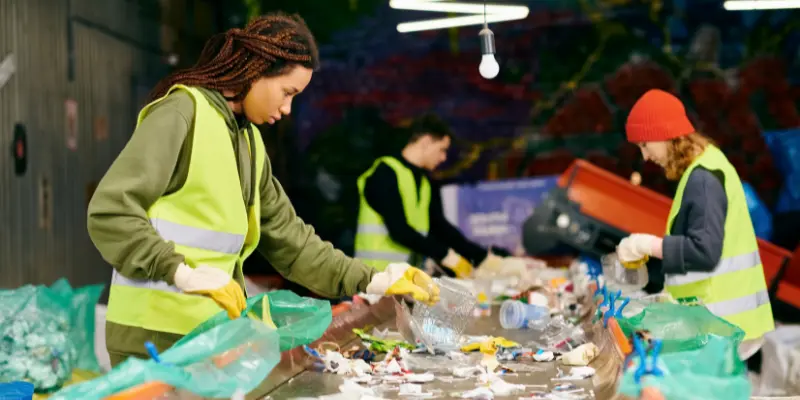
Mechanical recycling is the most commonly used method for plastic recycling. It involves physically breaking down plastic waste into smaller pieces, cleaning it, and then reprocessing it to create new products.
Collection and Sorting
Post-consumer plastic waste is collected, sorted, and separated by means of their plastic category. Common materials like PET (Polyethylene Terephthalate) and HDPE (High-Density Polyethylene) are often separated and used for easy processing.
Cleaning and Shredding
The plastics are thoroughly cleaned or washed to remove contaminants such as food or chemical residue, labels, and adhesives. This cleaned plastic is then shredded into smaller pieces (flakes or pellets).
Melt and Extrusion
The plastic pieces are then melted at high temperatures and extruded into new shapes.
Forming New Products
The melted plastic is formed into plastic granules to make new products, such as plastic sheets, bottles, containers, films, or even plastic fibers for textiles.
Advantages
Cost-Effective: Mechanical recycling is often cheaper than chemical recycling since it uses less energy and fewer chemicals in processing.
Widespread: This method is well-established and has a large infrastructure across different countries.
Challenges
Quality Degradation: PCR plastic may lose some of its original properties during shredding and reheating. Over time, repeated mechanical recycling can lead to polymer degradation, reducing the strength, flexibility, appearance, and transparency of the material.
However, the extent of this degradation depends on the type of plastic, the recycling method used, and the number of recycling cycles.
Contamination Risks: Impurities from the previous use can contaminate the material during reheating, which may affect its purity and appearance.
This is one of the reasons why food and pharma packaging is not using PCR plastic.
Limited to Certain Plastics: Mechanical recycling works best with plastics like PET and HDPE. Some plastics, such as PVC blisters or multilayer packaging, are challenging to recycle mechanically.
2. Chemical Recycling of Plastic
Chemical recycling (also known as advanced recycling or feedstock recycling) is a more complex process that breaks down plastics into their basic chemical building blocks (monomers or raw materials).
This allows the plastic to be recycled indefinitely without quality degradation.
1. Depolymerization
Chemical recycling involves breaking down long polymer chains into their original monomer through chemical reactions.
This process can be done in different ways depending on the type of plastic being recycled.
Types of Depolymerization
Pyrolysis: It is also known as thermal cracking. In this process plastics are heated to high temperatures in the absence of oxygen, breaking them down into simpler molecules, which can then be refined into raw materials like oils or gases. These raw materials can be used to create new plastic or other chemicals.
Gasification: This involves partially oxidizing plastic waste at high temperatures to produce syngas (a mixture of hydrogen and carbon monoxide), which can then be used to create chemicals or fuels.
Hydrolysis: This involves breaking down plastics with water and enzymes. It is often used for specific plastics like PET and converts plastics into their monomers (e.g., terephthalic acid and ethylene glycol for PET) so that they can be purified and reused to make new plastic water bottles or other items.
Solvolysis: Similar to hydrolysis, but it uses solvents instead of water to break down plastics into their monomer.
2. Reformation
The monomers obtained from the chemical process can be refined and re-polymerized to create new plastic or other products, like fuel, and synthetic rubber.
Advantages
High-Quality Recycling: Chemical recycling can theoretically recover the original properties of the plastic, even from contaminated plastic waste or complex laminated plastic structures.
Versatility: It works on a wider range of plastics, including multilayer laminates, PVC, PS, and other non-recyclable plastics that can’t be processed by mechanical recycling.
Closed Loop Recycling: Chemical recycling has the potential for infinite recycling without degrading plastic quality.
Challenges
Energy Intensive: Chemical recycling requires more energy than mechanical recycling, especially for processes like pyrolysis or gasification, which can be a concern for its carbon footprint.
Cost: The technology is still developing, and the costs are currently high compared to mechanical recycling.
Chemical Pollution: It may generate by-products or pollutants that need to be managed to avoid environmental pollution.
Mechanical recycling is more widely used, cost-effective, and established, but it has limitations in material quality and is restricted to certain types of plastic and industry.
On the other hand, chemical recycling has the potential to address a wider range of plastics, including those that are difficult to recycle mechanically, and can yield higher-quality products, but it currently faces challenges related to cost, energy use, and carbon footprint.
Benefits of PCR Plastic Packaging
PCR Plastic packaging offers several benefits that contribute to a more sustainable future. Here’s an overview of the key advantages.
1. Reduces Plastic Waste
Prevents Landfill Overflow: By reusing plastic waste that would otherwise end up in landfills, PCR plastic packaging helps to keep plastic out of the waste stream.
Decreases Ocean Pollution: By reducing plastic waste in oceans, PCR plastic packaging helps to mitigate the negative impact of plastic on marine animals, which often ingest or get entangled in plastic waste.
2. Conserves Natural Resources
Less Dependence on Virgin Materials: PCR plastic packaging reduces the need to extract and process new petroleum or natural gas for creating plastic. For example: Oil and Natural Gas Saving.
Circular Economy Contribution: By reusing plastic waste, PCR plastic packaging supports a circular economy, ensuring that plastic is continuously reused rather than discarded. This means resources are used multiple times, contributing to long-term sustainability.
3. Lower Energy Consumption
Energy Savings: Recycling plastic uses significantly less energy than producing new plastic from virgin raw materials. For example, making plastic from recycled PET (r-PET) can save up to 60-80% of the energy compared to producing plastic from virgin PET.
Reduced Carbon Emissions: Because of less energy consumption, carbon emissions are also reduced, making it a more environmentally friendly option. For example, producing plastic bottle from r-PET emit about 40% less carbon than producing plastic bottle from virgin PET polymer.
4. Economic Benefits
While producing PCR plastic can sometimes be more expensive than using virgin plastic, the cost savings from energy reduction and resource conservation can offset those expenses in the long term.
5. Consumer Appeal and Brand Value
Businesses that use PCR plastic in their product packaging can appeal to eco-conscious consumers, who are increasingly seeking sustainable products.
6. Reduced Manufacturing Timeline
Creating PCR plastic is faster and less complex than producing virgin plastic, as it skips the extraction and refining of crude oil and natural gases, and avoids many energy-intensive steps like polymerization.
7. Lower Waste Management Cost
If plastic waste is reused instead of discarded, the time and cost associated with cleaning landfills, oceans, or waterways can be reduced. Less plastic in oceans means less time and money spent on environmental cleanup projects.
Challenges and Limitations of PCR Plastic Packaging
While PCR (Post-Consumer Recycled) Plastic offers significant benefits, there are several challenges and limitations associated with its use, particularly around quality, safety, and strength.
Here’s an overview of these challenges, including concerns about migration and leachability.
1. Quality and Consistency
Inconsistent Material Quality: PCR plastic often varies in quality because it is made from used plastic items or waste plastics having different usage histories.
The source of plastic items (e.g., food packaging, pharma packaging, chemical packaging, cosmetic packaging, industrial products, etc.) can affect its purity and suitability for reuse.
Color and Appearance: PCR plastic may have a different color than virgin plastic, and the final product might not have the desired aesthetic look.
Surface Defects: Imperfections in recycled plastic may appear more frequently, requiring additional treatment or modification, which can increase costs.
2. Contamination and Impurities
Contamination During Recycling: PCR plastic can be contaminated with residues from food, chemicals, cosmetics, pharma, or other materials, which can affect the quality of the final product.
For example, if a food container is not properly cleaned before recycling, traces of food can remain in the final plastic.
Harmful Additives: Some plastics contain additives (e.g., colorants, flame retardants, stabilizers) that might not break down or be removed during recycling, which are affecting the safety and performance of PCR plastic.
3. Migration and Leachability Risk
PCR plastics can pose health risks due to the potential transfer of harmful chemicals from the packaging into food, medicine, beverages, or cosmetics.
Over time, substances like phthalates, Bisphenol A (BPA), and antimony (used in PET production) may leach into consumables, raising concerns about toxicity, carcinogenicity, and endocrine disruption.
This risk is especially high in packaging that directly touches food, medicines, or cosmetics, so strict rules are in place to keep consumers safe.
Inadequate recycling processes can leave behind contaminants, further increasing the likelihood of chemical migration and environmental pollution.
4. Limited Recycling Capacity
Not all plastics are equally recyclable. Low-density polyethylene (LDPE), polystyrene (PS), and polyvinyl chloride (PVC) are harder to recycle effectively, meaning only certain types of plastic, like PET and HDPE, are commonly used for PCR products.
In many parts of the world, waste management systems are not sufficiently developed to ensure that the right types of plastic are being properly recycled.
5. Cost Barriers
The cost of manufacturing PCR plastic can sometimes be higher than using virgin plastic.
This is particularly true if the collection, sorting, and cleaning processes are inefficient, or if the demand for high-quality PCR plastic exceeds the available supply.
In some cases, companies may find it more cost-effective to use virgin plastic rather than investing in the infrastructure and technologies needed for recycling.
6. Public Perception and Acceptance
Consumers may have concerns about the safety and quality of products made from PCR plastic, especially when it comes to food and pharmaceutical packaging.
While PCR plastic offers significant environmental and economic benefits, challenges such as material quality, contamination, and migration of chemicals must be addressed to ensure its continued success.
PCR Plastic Packaging Applications
1. Food & Beverage Industry
The food and beverage industry is one of the leading adopters of PCR plastic packaging, especially with advanced recycling technologies that ensure food safety and packaging performance.
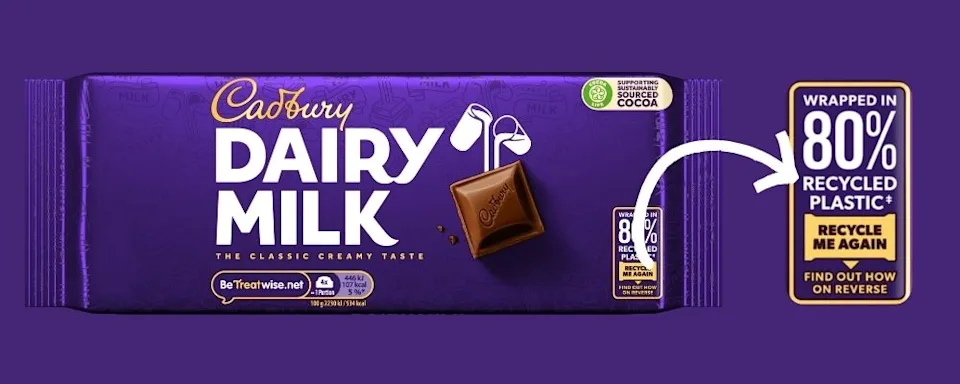
For example, global brand Mondelēz International, in collaboration with Amcor, has introduced packaging for Cadbury chocolate products using a high percentage of recycled plastic.
The new flexible packaging for Cadbury sharing bars contains up to 80% certified recycled plastic, helping to reduce the use of virgin plastic while maintaining product quality and safety.
This initiative demonstrates how advanced recycling technologies can convert post-consumer plastic waste into materials suitable for food-contact packaging, supporting a circular economy at scale.
Another example is Woolworths, which partnered with Amcor to introduce bread bags made with 30% recycled plastic.
These food-grade LDPE bags are used across multiple bread products and are expected to save around 50,000 kg of virgin plastic annually.
By integrating recycled content into everyday packaging like bread bags, companies are showing that PCR can be used effectively in high-volume applications without compromising functionality.
2. Pharmaceutical Industry
The use of PCR plastic in pharmaceutical packaging is still at an early stage compared to the food industry, mainly due to strict safety and regulatory requirements.
However, companies have started adopting PCR in controlled and well-tested applications.
For more details, refer to our blog on PCR plastic in pharmaceutical packaging.
3. Cosmetics and Personal Care
Many cosmetic and personal care brands are using PCR plastic for bottles, jars, tubes, and other packaging items.
For example, brands like L’Oréal and Unilever have incorporated recycled plastic into their product packaging.
4. Consumer Electronics
In the electronics sector, brands like Apple and Google have started incorporating PCR plastic in some parts of their packaging, such as boxes, and in the production of certain plastic components.
5. Automotive Industry
The automotive industry has started to use PCR plastic for certain non-structural parts of vehicles, including interior panels, bumpers, and trim components.
6. Apparel and Textile
The fashion industry, especially companies making activewear and outerwear, is using PCR plastic in the form of recycled polyester (r-PET).
Brands like Patagonia and Nike have pioneered the use of PCR plastic in their clothing and footwear.
7. Building and Construction
The construction industry is also exploring the use of PCR plastic for insulation materials, pipes, tiles, and recycled plastic boards for furniture or other structural applications.
Future Innovation
The future of PCR (Post-Consumer Recycled) plastic looks promising, but it faces several challenges in terms of scalability, quality, and cost-efficiency.
The increasing emphasis on sustainability, circular economy, and plastic waste reduction is pushing industries, governments, and consumers to embrace PCR plastic packaging.
However, for it to work effectively in the long term, significant advancements and adaptations in technology, infrastructure, and market demand are required.
Technological Advancements
1. AI and Digital Watermarking for Smart Sorting (HolyGrail 2.0)
The use of PCR plastic in food and pharmaceutical packaging requires high-quality and contamination-free recycled materials.
However, today most post-consumer recycled (PCR) plastics come from mixed waste streams such as food, chemicals, cosmetics, and household plastics.
This mixing of materials makes it difficult to ensure purity, which can lead to risks like chemical migration or contamination when used in sensitive applications like food and pharma packaging.
This is one of the main reasons why PCR plastic is still limited in these industries.
To solve this challenge, the HolyGrail 2.0 initiative introduces a smart solution using AI and digital watermarking technology.
Digital watermarks are invisible codes embedded directly into packaging materials.
These codes carry important information such as plastic type, composition, and usage history.
During recycling, advanced scanners and AI systems can detect these watermarks and accurately sort the waste into the correct streams.
This makes:
- Precise waste sorting with minimal mixing
- High-quality PCR plastic with reduced contamination
- Improved recycling efficiency and recovery rates
By enabling better traceability and sorting, this technology can significantly improve the quality of recycled plastic.
2. Chemical Recycling
This technology breaks down plastics into their basic monomers without degrading the quality of the plastic.
The resulting PCR plastic from chemical recycling is of such high purity that it can be used in food and pharmaceutical applications, addressing the stringent quality requirements of these industries.
Conclusion
PCR plastic packaging plays a crucial role in reducing plastic waste and promoting a circular economy by giving used plastics a second life. While it offers significant environmental benefits, such as lowering carbon footprints and reducing reliance on virgin plastics, challenges like quality, contamination, chemical migration, and mechanical degradation must be carefully managed. Industries are continuously improving recycling technologies and regulatory standards to enhance the safety and performance of PCR plastics, especially for food and pharmaceutical applications.
As businesses and consumers embrace sustainable choices, PCR plastic remains a vital step toward a greener future, balancing innovation with environmental responsibility.
If you have any points or questions that need to be addressed, feel free to leave a comment. I will research and include them in future updates.
Frequently Asked Questions
Yes, PCR plastic can be recycled. It is made from plastic waste that has already been used and discarded by consumers. After being collected, cleaned, and processed, PCR plastic can be melted down and turned into new products. However, like all plastics, its recyclability depends on factors such as the type of plastic, its contamination level, and the recycling technology available. With proper recycling systems in place, PCR plastic can be reused multiple times, helping to reduce waste and conserve resources.
No, PCR plastic is not biodegradable. Like other types of plastic, PCR plastic is made from synthetic materials that do not break down naturally in the environment. While recycling PCR plastic helps reduce waste and conserve resources, it does not decompose on its own like organic materials. It remains in the environment unless properly recycled or disposed of through other waste management methods.
There is no universal logo for PCR plastic. However, products made from PCR plastic often feature the recycling triangle symbol with a number or labels like “Post-Consumer Recycled” to indicate the use of recycled materials. Brands may also have their own logos to highlight PCR plastic use.
In short, yes—but it will depend on how the challenges are addressed. The demand for PCR plastic is set to increase, driven by regulations, consumer preferences, and industry commitments to sustainability.
