
Sustainable pet food packaging replaces traditional non-biodegradable plastics with recyclable mono-materials, compostable films and post-consumer recycled (PCR) content to reduce environmental impact.
This shift is driven by a powerful combination of growing environmental concerns, rising consumer awareness and strict global regulations such as the EU Packaging and Packaging Waste Regulation (PPWR).
Today’s consumers are not just buying products, they are ensuring everything.
In fact, studies show that 82% of consumers are willing to pay more for the products that are aligned with sustainability, showcasing a strong demand for sustainable packaging.
This growing demand is forcing pet food manufacturers to rethink their packaging strategies and move toward more sustainable solutions.
In this blog, we will explore:
- Why traditional pet food packaging is failing
- What sustainable packaging materials actually work
- How the industry is evolving to solve this problem
How Does Traditional Pet Food Packaging Cause Plastic Pollution?
Traditional pet food packaging is a major contributor to plastic pollution due to its non-biodegradable nature or complex structure.
Most of the pet food products are packed in multi-layer laminates, which are the combination of two different materials such as plastic and aluminum.
These layers are laminated to provide excellent protection against moisture, oxygen and light, which helps to keep pet food fresh for longer periods.
However, these barrier properties in laminate come at a serious environmental cost.
The Problem with Multi-Layer Packaging
These laminates are made by combining different materials together, like plastics and metals.
Because these layers are tightly bonded, they cannot be easily separated during recycling.
As a result:
- Recycling facilities are unable to process them.
- Most of these packages are rejected from recycling streams.
- They are ultimately sent to landfills/oceans/incineration.
Globally, only 9% of plastic waste is actually recycled, while a large percentage ends up in the natural environment.
The pet food industry alone generates millions of flexible pouches and bags every year, most of which are non-recyclable due to their multi-layer structure.
These materials can persist in the environment for 500-1,000 years, causing long-term pollution and harming ecosystems.
We use packaging that lasts for centuries to protect a product that is consumed in a few months. This is why traditional packaging is no longer sustainable and why the industries are moving toward green packaging.
What Drives the Demand for Sustainable Pet Food Packaging?
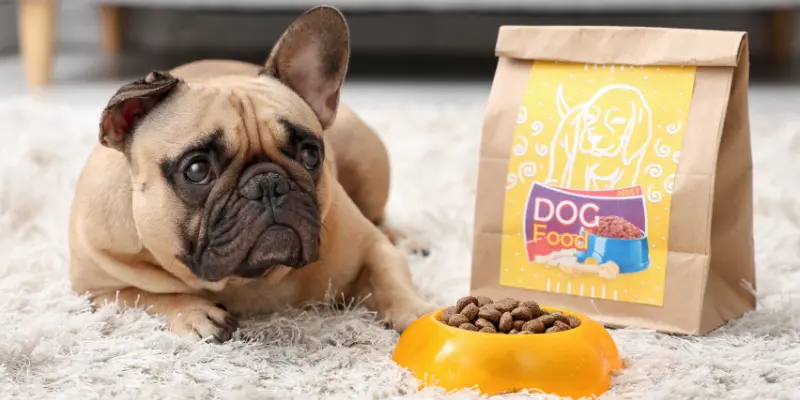
The pet food industry’s shift towards sustainable packaging is not a coincidence.
It is driven by a combination of consumer pressure, regulatory requirements and technological innovation.
Together, these forces are reshaping how packaging is designed, produced, used and disposed of.
1. Consumer Awareness
Consumer awareness is one of the strongest drivers of sustainable pet food packaging.
Today’s pet owners are more conscious for the environmental issues such as plastic pollution, climate change and waste generation.
Consequently, they actively choose products that align with sustainability.
This shift in consumer preference puts direct pressure on companies to move away from traditional plastics to bioplastics.
In simple terms, consumer demand is forcing brands to change.
2. Government Regulations
Regulations are accelerating the transition toward sustainable packaging across the globe.
Governments are introducing strict policies to reduce plastic waste and promote recycling.
For example:
- The EU Packaging and Packaging Waste Regulation (PPWR) sets clear targets for recyclability and waste reduction.
- Extended Producer Responsibility (EPR) laws make brands responsible for the lifecycle of their packaging.
These regulations create pressure on the manufacturers to adopt eco-friendly packaging materials and follow circular economy systems.
3. Technological Advancement
In the past, eco-friendly packaging materials often failed to provide enough protection for pet food, especially in terms of moisture and oxygen barriers.
Today, advancements in material science and packaging engineering have changed and are now capable of delivering performance similar to traditional plastics.
- Advanced barrier coatings for moisture and oxygen protection
- Controlled WVTR and OTR for improved shelf life
- Recyclable mono-material structures with good flexibility and strength
- Improved bio-based materials with better performance
- High tensile strength for durability
- Good impact resistance during handling and transport
- Chemical resistance (acidic and solvent-based products)
- Compliance with extractables and leachables requirements
- Migration safety for food and pharma applications
- Improved clarity and visual appearance
- Better printability and branding compatibility
This approach makes sustainable packaging not only environmentally friendly but also commercially viable.
Top 5 Sustainable Pet Food Packaging
Today, brands have several options to replace traditional non-biodegradable plastics. Each material is designed to meet specific product needs while aligning with local recycling systems.
1. Compostable Pet Food Packaging
Compostable packaging is designed to break down into natural elements within 180 days under controlled conditions.
These materials are typically made from plant-based materials such as cornstarch, cellulose, or sugarcane.
When processed in industrial composting facilities, compostable packaging decomposes into nutrient-rich organic matter without leaving toxic residues.
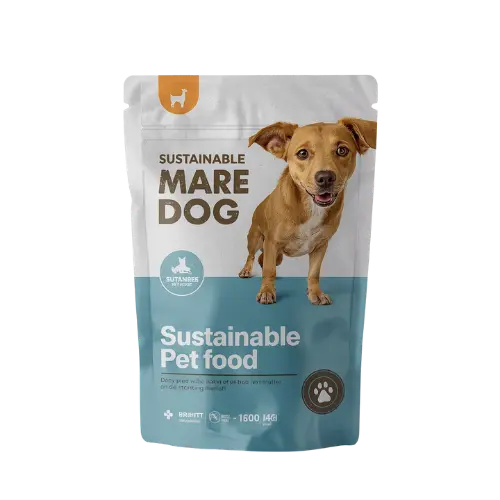
This type of packaging is suitable for dry pet food applications like treats and small kibble packs.
It also helps to reduce landfill waste and avoids microplastic pollution compared to traditional plastics.
However, its effectiveness depends heavily on the proper disposal method.
Most of the compostable materials require industrial composting conditions such as controlled temperature and moisture, which are not widely available in all regions.
2. Biodegradable Pet Food Packaging
Biodegradable packaging refers to materials that can break down naturally through the action of microorganisms such as bacteria and fungi.
These materials decompose into water, carbon dioxide and biomass over time, reducing long-term environmental impact compared to conventional plastics.
Biodegradable packaging can be made from renewable resources like starch, paper or plant-based polymers.
It offers flexibility for various pet food products, including both dry and semi-moist.
3. Recyclable Mono-Material Pet Food Packaging
Recyclable mono-material packaging uses a single type of plastic material, such as polyethylene (PE) or polypropylene (PP).
Unlike traditional multi-layer packaging, which combines different materials, mono-material structures can be easily processed in existing recycling systems without separation.
This improves recycling efficiency, reduces contamination and increases the quality of recycled output.
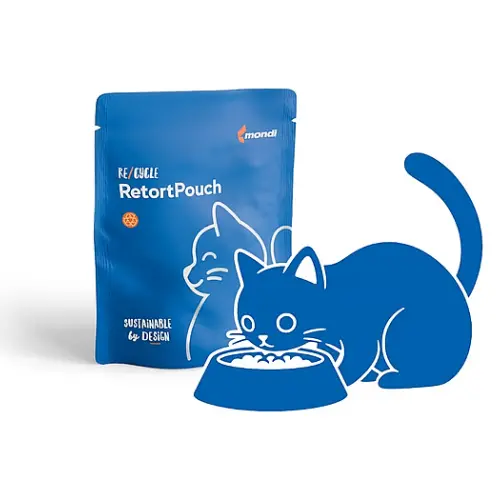
It also supports circular economy goals by keeping materials in use for a longer time.
Mono-material packaging provides excellent barrier properties to protect the pet food and is widely used for dry pet food applications such as kibble and treats.
4. PCR Pet Food Packaging
PCR (Post-Consumer Recycled) packaging is made from plastic waste that has already been used by consumers and then collected, cleaned and reprocessed into new materials.
This approach reduces the need for virgin plastic, helping to save natural resources and thus lower carbon emissions.
By converting waste into new packaging, PCR supports a circular economy where materials are reused instead of discarded.
Many pet food products use PCR content or recyclable mono-material to balance sustainability and cost.
However, maintaining consistent quality and appearance can be a challenge, as recycled materials may vary in properties compared to virgin plastics.
5. Paper-based Pet Food Packaging
Paper-based packaging with barrier coating offers a strong alternative to plastic while maintaining product protection.
Paper alone cannot protect pet food from moisture, oxygen, grease and aroma loss due to its porous nature, so manufacturers apply a thin barrier layer to improve performance.
These coatings can be made from materials like polyethylene (PE), water-based dispersions, wax or bio-based polymers.
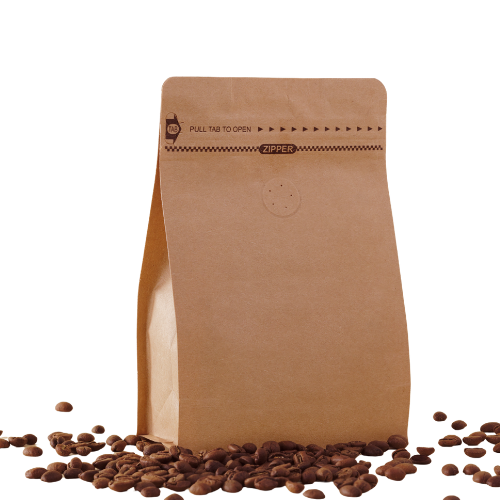
They act as a protective layer, preventing moisture and oil penetration while preserving freshness and shelf life.
Recent innovations have made high-barrier paper packaging suitable even for demanding applications like pet treats, providing resistance to grease, aroma and oxygen similar to traditional plastic laminates.
Benefits of Using Sustainable Pet Food Packaging
Switching to sustainable pet food packaging is not just an environmental choice. It offers benefits across environmental, business and consumer levels.
1. Reduced Environmental Impact
Sustainable pet food packaging helps to reduce plastic waste and lowers the overall carbon footprint.
It uses recyclable, compostable or renewable materials that consume fewer natural resources and generate fewer greenhouse gas emissions during production and disposal.
This is important because traditional plastic packaging takes hundreds of years to degrade and contributes significantly to landfills and ocean pollution.
2. Strong Brand Image & Consumer Trust
Today’s pet owners are highly conscious about sustainability and prefer eco-friendly products.
Brands using sustainable packaging can build stronger trust, loyalty and emotional connection with customers.
Studies indicate that many consumers are willing to pay more for products that are aligned with sustainability.
3. Regulatory Compliance & Future Readiness
Governments worldwide are tightening regulations on plastic waste and packaging sustainability.
Adopting sustainable packaging helps brands to stay compliant with evolving laws and avoid future risks or penalties.
This is especially relevant in markets like the EU (PPWR) and India (EPR guidelines).
4. Supports Circular Economy
Sustainable packaging promotes recycling, reuse and the use of post-consumer recycled (PCR) materials.
Instead of ending up in landfills, packaging materials become valuable resources again.
This shift from a “use-and-dispose” model to a circular system is critical for long-term sustainability.
5. Competitive Advantage in the Market
Sustainable packaging differentiates brands in a crowded pet food market.
It allows companies to position themselves as innovative and responsible, attracting eco-conscious consumers and retailers.
Challenges of Using Sustainable Packaging for Pet Food
While sustainable pet food packaging offers clear environmental benefits, its adoption comes with several practical and technical challenges.
Pet food brands must carefully balance sustainability with product protection, cost and real-world packaging feasibility.
1. High Material Cost
Sustainable packaging materials are often more expensive than conventional plastics.
This is due to limited production scale, higher raw material costs and the need for specialized manufacturing processes and testing.
For many brands, especially in price-sensitive markets, the higher cost can impact profitability and slow down adoption.
2. Limited Barrier Protections
Certain pet food products require strong protection against moisture, oxygen, grease and contamination.
Many sustainable materials struggle to match the barrier performance of traditional multi-layer plastics.
This can affect:
- Shelf life
- Product freshness
- Packaging durability
3. Limited Infrastructure
One of the major challenges of using sustainable packaging is limited infrastructure for recycling and compostability.
Even if packaging is recyclable or compostable, it may still end up in landfills due to:
- Lack of recycling facilities.
- Limited industrial composting infrastructure.
- Poor waste segregation systems.
This issue is especially relevant in developing markets like India.
4. Consumer Awareness and Disposal Issues
Sustainable pet food packaging only works if consumers dispose of it correctly.
However, confusion around terms like “biodegradable,” “compostable,” and “recyclable” often leads to incorrect disposal.
For example:
- Compostable packs may go into regular waste bins which may contaminate recycling streams.
This reduces the real environmental benefit.
5. Inconsistent Material Quality (Especially PCR)
Recycled materials like PCR plastics can vary in quality depending on the source.
Such variation may affect:
- Strength
- Appearance
- Sealing performance
Brands often need to blend PCR with virgin material, which limits full sustainability potential.
6. Supply Chain and Availability Challenges
Sustainable materials are not always widely available across all regions.
Supply chain limitations, sourcing issues, and dependency on specific suppliers can create delays and inconsistencies.
Such variability makes large-scale implementation difficult for many companies.
Future Advancements in Sustainable Pet Food Packaging
The future of sustainable pet food packaging is being shaped by rapid innovations in technology, materials and waste management systems.
These advancements aim to solve current challenges while improving sustainability, performance and consumer experience.
1. Smart Packaging and Digital Sorting with Digital Watermark
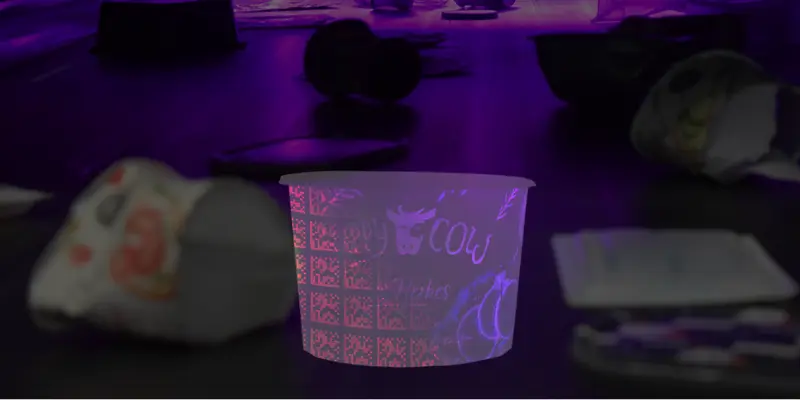
Smart packaging is transforming how packaging is tracked, used and recycled.
Technologies such as QR codes, RFID tags and digital watermarks enable better traceability across the entire packaging lifecycle.
One of the most promising innovations in this space is Digital Watermark Technology, as demonstrated by initiatives like HolyGrail 2.0.
This technology embeds invisible codes into packaging that act like a “recycling passport,” carrying information about material type, composition and usage.
This becomes especially important for Post-Consumer Recycled (PCR) plastics used in food and pharmaceutical packaging.
Today, PCR plastics are often derived from mixed waste streams, which can raise safety concerns such as contamination and chemical migration.
Digital watermarks help solve this challenge by enabling:
- Precise waste sorting at recycling facilities.
- High quality PCR materials.
- Improved recycling rates and reduced contamination.
By integrating this technology, packaging can move closer to a safe, circular and high-quality recycling system, supporting both sustainability and product safety.
2. Chemical Recycling
Chemical recycling is an emerging technology that breaks down plastic polymer chains into its basic monomer.
Unlike traditional mechanical recycling, it can process mixed or contaminated plastics and convert them into high-quality raw materials.
This allows the production of new packaging with properties similar to virgin plastic, supporting a true circular economy and reducing dependence on fossil fuels.
3. Improved Bio-Based Materials
The next generation of bio-based materials is moving beyond basic bioplastics.
Innovations include materials derived from seaweed, agricultural waste and natural polymers that offer better strength and barrier properties.
These materials are designed to:
- Reduce reliance on fossil fuels.
- Improve biodegradability.
- Match the performance of conventional plastics.
This will make sustainable packaging more practical for a wider range of pet food products.
4. Artificial Intelligence in Packaging
Artificial intelligence (AI) is playing a major role in designing smarter and more efficient packaging.
AI tools can analyse multiple factors such as product requirements, material properties and logistics to optimise packaging design.
This helps in:
- Reducing material usage.
- Improving packaging strength.
- Lowering transportation costs and emissions.
AI-driven design enables faster innovation and more sustainable decision-making.
5. Advanced Freshness and Shelf-Life Technologies
Future packaging will go beyond passive protection and actively manage product freshness.
Active packaging systems use oxygen scavengers, moisture absorbers and antimicrobial features to control the internal environment, helping extend the shelf life without using complex laminate.
At the same time, freshness indicators such as time-temperature labels and oxygen indicators provide real-time visibility of product condition during storage and distribution.
Together, these technologies ensure better product stability, transparency, and efficiency.
Conclusion
Sustainable Pet Food Packaging is no longer a choice, but a necessity for the future. Traditional plastic packaging creates long-term environmental problems, while recyclable, compostable, and PCR materials offer better solutions.
With growing consumer awareness, strict regulations and new technologies, the industry is moving toward more responsible packaging.
The goal is not just to protect pet food, but also to protect the environment.
By adopting Sustainable Pet Food Packaging, brands can reduce plastic waste, improve sustainability and build a safer, cleaner future for both pets and the planet.
