PFAS free food packaging materials are becoming one of the most important topics in food safety and sustainability today.
Many of us choose paper packaging because it is safer than plastic—but what if the paper is treated with harmful chemicals?
Understanding what goes into food packaging is the first step toward protecting our health and the environment.
Introduction
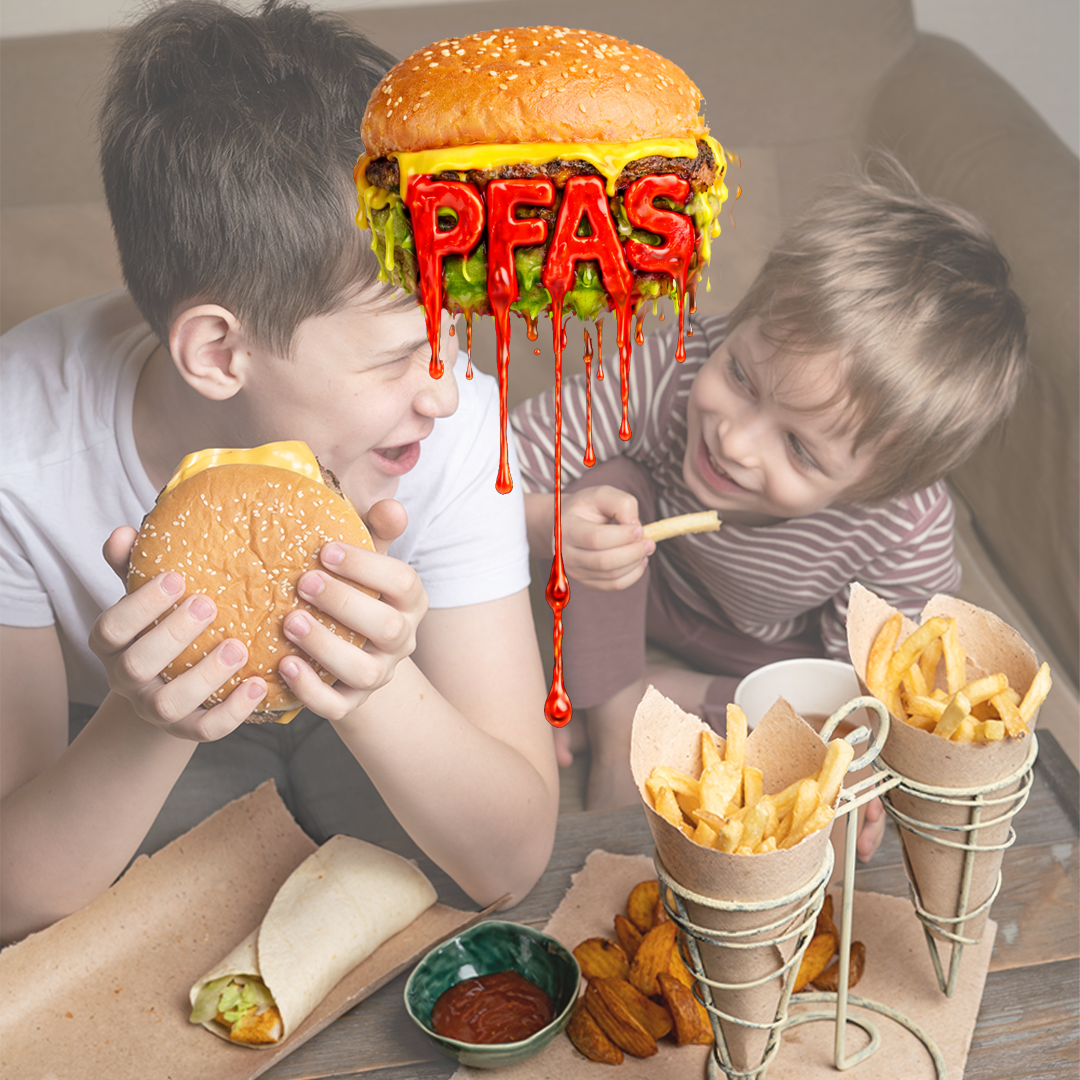
Don’t ingest PFAS while enjoying your favourite food.
Recently, many of us have made changes from plastic food packaging to paper based food packaging.
The main reason for this change was to reduce exposure to harmful chemicals like BPA, which is commonly found in most of the plastics.
And we believe that paper is a safe, natural and more sustainable option to use.
However, there are a few factors that people are not aware of.
Technically, paper is not a good material for food packaging, especially for hot, oily or moisturized food products.
Unlike plastic, paper absorbs oil and water quickly and loses all its strength and shape.
To overcome these limitations, many manufacturers are using fluorinated chemicals to paper or compostable food packaging materials so that they can increase the strength of the materials.
These PFAS (Per and Polyfluoroalkyl Substances) coatings provide excellent functionality.
But this fluorinated coating is not good for people and the planet.
So next time, when someone wrapped your food in paper or served in a paper bowl, it is very important to ask about PFAS free paper packaging materials.
Understanding about PFAS is not like creating fear, it is for making healthy choice.
In this article, we will explore what are PFAS, why they were used in food packaging, the risks of PFAS and what are the alternatives in the market.
What Are PFAS?
PFAS stands for Per and Polyfluoroalkyl Substances.
They are a large group of man made chemicals that have been used for many years to make paper packaging oil, water, heat and stain resistant.
Since PFAS do not break down easily, they are often called “forever chemicals.”
PFAS are commonly found in our everyday items such as non stick cookware, waterproof clothing, firefighting foam, cosmetics and food packaging materials.
In food packaging, PFAS are used as coatings to stop oil and moisture from soaking through paper.
The PFAS has a long chain, strong carbon fluorine bond. This bond makes them difficult to break down naturally, which is the reason they can exist in environment or in the human body for a longer time.
How Can We Identify PFAS?
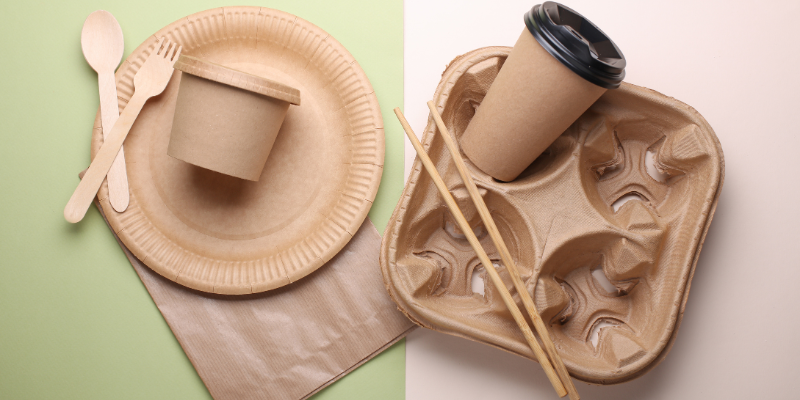
To be frank, it is not possible to identify the presence of PFAS in food packaging materials without doing a qualitative test. However, we can follow the below mentioned steps:
- Looking for labels that say “PFAS‑free” or “fluorine‑free”
- Being cautious on shiny paper packaging material
- Asking brands or suppliers about their chemical safety certificates
Your conscious choice can protect your family and environment from harmful chemicals.
How PFAS Coating Can Contaminate Food
PFAS are chemicals often used as coatings for paper and compostable food packaging materials to provide barrier properties, like plastics.
But these chemicals are not tightly bound to the surface of paper packaging material.
When food comes into the contact of this coating, small amounts of PFAS chemicals can move from packaging material to the food that we eat. This movement of chemical is called migration.
Factors That Accelerate the Migration
Heat: PFAS migrate more easily when the hot food comes in to the contact of PFAS coated food packaging materials, such as fresh fries, pizza or hot takeaway meals.
Fat or Oil in Food: PFAS can mix very easily with oily or greasy foods like burgers, pastries, cheese, fried snacks and pizza. The higher the fat content, the higher the risk of migration.
Contact Time: Longer contact time between food and packaging material also increases the risk of more PFAS migration.
In short, if food is hot, greasy, stored for a long time, and packed in coated paper, the risk of PFAS contamination is very high.
Negative Impact of PFAS on Human Health and the Environment
PFAS have raised serious concerns worldwide since they do not break down easily and can remain in our bodies and the environment for a very long time.
Its long term impacts come at a higher cost to people and the planet.
Impact of PFAS on Human Health
One of the biggest problems with PFAS is bioaccumulation.
When PFAS enter into the human body through food, water or packaging—they start to accumulate in body organs without being flushed out.
Clinical research shows that long term exposure of PFAS is associated with several health issues.
1. Weak Immune System
PFAS can reduce the body’s ability to fight against the infections. People having higher exposure to PFAS show less response to vaccines, making them more vulnerable to illness.
2. Hormonal Problems
PFAS can interfere with hormones that control growth, metabolism and energy levels. Thyroid disruption is the main concern, especially for children and pregnant women.
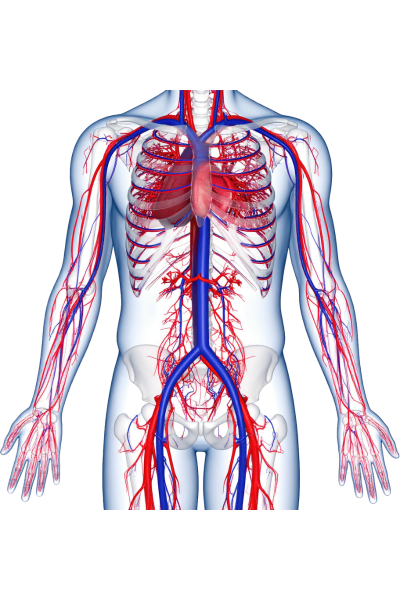
3. Liver and Metabolic Issues
PFAS exposure has been associated with liver damage, increased cholesterol levels and metabolic disorders. Over time, this can increase the risk of heart disease or organ failure.
4. Reproductive issues
PFAS may affect fertility and pregnancy outcomes. Exposure during pregnancy has been linked to low birth weight and developmental issues in children.
Because PFAS stay in the body for years, the effects are often long term and cumulative, not immediate, making them harder to detect and prevent.
Impact of PFAS on the Environment
PFAS are equally harmful to the planet since they are not biodegradable.
1. Water and Soil Contamination
When PFAS coated products are discarded or composted, these chemicals can leach into soil and groundwater. Our conventional water plant can’t filter them out, resulting into our food cycle.
2. Impact on Wildlife
PFAS also accumulates in animals like fish, birds and mammals. This can lead to reproductive problems, weakened immune systems and population decline. Even more, after consuming these animals, we will have more PFAS in our bodies.
3. Recycling and Composting Challenges
PFAS create major problems for recycling and composting systems. PFAS coated paper packaging can contaminate recycled paper or compost, spreading these chemicals further into the environment and agricultural soil or field.
4. Long Term Presence
Unlike natural substances, PFAS do not degrade through sunlight, bacteria or natural processes. Once released, they can remain in ecosystems for decades, creating long lasting pollution.
This is the reason why governments, brands and consumers are now pushing for PFAS free food packaging materials. Reducing PFAS exposure is the crucial step toward safer food, healthier people and a cleaner planet.
PFAS Coated Paper Packaging is Banned by the US and the EU
Considering the negative impacts of PFAS on people and the planet, regulations around the world are now becoming stronger.
As of now, the United States and the European Union have started to phase out PFAS from food packaging materials. However, other countries are also framing their regulations for PFAS free food packaging materials.
PFAS Phase Out in the United States
In the United States, the focus has started to remove PFAS from paper food packaging materials, particularly grease proof coatings used in fast food wrappers, pizza boxes, bakery papers and takeaway containers.
Instead of an immediate legal ban, the U.S. Food and Drug Administration (FDA) worked with manufacturers on a voluntary phase out.
This approach allowed packaging producers time to reformulate their materials and adopt safer alternatives without disrupting food supply chains.
By 2024:
- Manufacturers stopped producing and selling PFAS‑based grease‑resistant coatings
- The FDA withdrew permissions for PFAS use in paper food packaging materials
- PFAS grease‑proofers effectively exited the U.S. food packaging market
This marked an important step toward reducing PFAS exposure through food. While not a blanket ban on all PFAS, it removed one of the most common and avoidable exposure sources.
PFAS Phase Out in the European Union
The European Union has also taken a stronger and more regulatory driven approach.
Under the Packaging and Packaging Waste Regulation (PPWR), the EU has introduced strict limits that effectively ban PFAS in food contact packaging.
From August 2026 onwards, food packaging placed on the EU market must meet defined threshold limits for PFAS and total fluorine content.
The EU approach focuses on:
- Protecting human health
- Preventing long‑term environmental contamination
- Safeguarding recycling and composting systems
Unlike chemical by chemical bans, the EU applies a class based approach, meaning entire groups of PFAS are restricted rather than waiting for individual substances to prove harm.
This reflects the EU’s use of the precautionary principle—acting early when potential risks are high and alternatives are available.
The US and EU give a signal that PFAS do not belong to food packaging. So, other countries, brands and retailers are now following the same practice.
PFAS Free Food Packaging Materials
As PFAS are being phased out, the packaging industry has developed safer alternatives that provide oil and water resistance without using fluorinated chemicals.
1. Clay Coatings

Mineral coatings made from clay or silica create a thin, protective layer on paper surfaces.
How they work: They block oil and moisture by physically filling pores available in the paper, not by chemical treatment.
Where used:
- Paper cups
- Food boxes
- Bakery packaging
2. Mechanical Fiber Treatment (No Chemical Coating)
Instead of adding chemicals, paper fibers are pressed or densified naturally to resist oil.
How they work: Tightly packed fibers leave no space for grease and water to pass.
Where used:
- Wraps
- Lightweight trays
- Dry or low‑grease food packaging
3. Bio Based Coatings (Plant Based Materials)
How they work: They form a natural barrier that resists oil and moisture.
These coatings are made from natural sources such as seaweed, corn starch, cellulose, proteins, or plant waxes.
Where used:
- Compostable food packaging
- Paper bowls and plates
4. Water Based Polymer Coatings (Fluorine Free)
These are synthetic but non fluorinated coatings designed to replace PFAS.
Conclusion
The growing awareness about PFAS has made one thing very clear: food packaging should protect food, not contaminate it. While PFAS coatings helped paper to perform better, their long term impact on human health and the environment can’t be ignored. This is why governments, brands and consumers are moving toward PFAS free food packaging materials.
The good news is that safer alternatives are available in the markets. With mineral coatings, mechanical fiber treatments, bio‑based barriers and fluorine‑free solutions, the packaging industry can eliminate these toxic chemicals. This shift is not about sacrificing performance—it is about making a healthy choice.
Choosing PFAS free food packaging materials is a crucial step toward safer food, healthier people and a more sustainable planet.
