
Climate change and global warming have accelerated rapidly in recent decades and one of the major reasons is our fast paced industrialization.
As industries grow, they consume more natural resources, generate more waste and put greater pressure on the mother earth.
Packaging, which often goes unnoticed in our daily life, has become a significant contributor for the global pollution.
In fact, around 40% of the world’s plastic waste comes from packaging—making it the single largest source of plastic waste globally.
This problem is more intensified with the boom of e commerce and food delivery services.
As a result, waste streams are growing rapidly, filling landfills and leaking into rivers and oceans.
The good news? Consumers have started noticing all these.
Today, people across the world are becoming more aware of how their purchases impact the environment.
So, the reason many consumers are actively choosing brands that adopt sustainable practices and rejecting those that don’t.
For instance, 42% of European shoppers and 37% of North American shoppers have already avoided purchases because of excessive or non eco friendly packaging.
This shift in consumer behavior has pushed sustainability from a trend to a business necessity.
But there is a problem which is called greenwashing.
To appear eco-conscious and win customers, many businesses have started making environmental claims that are exaggerated, vague or simply untrue.
They use green colors, natural imagery or terms like “eco friendly” and “biodegradable” without showing any proof or proper explanation.
Instead of investing in real sustainable packaging, they spend money on marketing that looks green. This practice is called greenwashing.
Greenwashing misleads consumers into thinking they are supporting environmentally responsible brands, when in reality, the products may still harm the planet.
This not only slows down the sustainability movement but also breaks consumer trust.
On the other hand, green branding is the honest, authentic and responsible approach.
It means a business genuinely adopts sustainable practices by using recyclable or compostable materials, reducing excess packaging, verifying claims through certifications and being transparent about manufacturing practices.
Green branding isn’t about selling a story; it’s about making real environmental progress and communicating it clearly.
As demand for sustainable packaging continues to skyrocket and global pollution worsens, the difference between greenwashing vs. green branding becomes more important than ever.
Introduction

Greenwashing vs. Green Branding
Greenwashing happens when a company pretends to be eco friendly without actually making meaningful efforts.
It uses clever marketing, attractive green colors or vague claims like “natural,” “eco-safe,” or “planet-friendly” to influence customers.
The goal is to look sustainable, not to act sustainably.
Simple Example of Greenwashing
Another example: A café starts saying that its plastic straws are “biodegradable,” even though they only break down in special industrial facilities that don’t exist in most cities.
The claim sounds green but isn’t practical—classic greenwashing. They have to clearly mention whether it is industrially compostable or home compostable.
Green Branding, on the other hand, is when a company truly commits to sustainability and is transparent about it.
These brands don’t rely on vague buzzwords—they show real actions and real results along with proof and process.
Simple Example of Green Branding
A skincare brand shifts from plastic bottles to recyclable glass jars and clearly mentions:
“Packaging made from 60% recycled glass. Please recycle after use.”
They may also offer refill stations, share how much waste they’ve reduced or display credible certifications like FSC or GRS.
In short, greenwashing is about looking green, while green branding is about being green.
As a result, brands are racing to claim their packaging is eco-friendly, green, biodegradable, or planet-safe. But here’s the thing: not all green claims are created equal.
That’s where the conversation of Greenwashing vs. Green Branding becomes critical.
In this blog, we’ll simplify these concepts, explore commonly used techniques, impact of green branding on business, show you how to spot it and future advancement which avoid green washing.
Commonly Used Greenwashing Techniques
1. Use of Vague Claims
Brands are using common terms like “eco friendly,” “green,” “natural,” or “planet-safe” without explaining what makes the product sustainable or environment friendly.
Why it’s misleading: They should clarify why they have used green claims.
2. Highlighting One and Only One Green Feature
A company promotes a tiny eco friendly aspect while ignoring other harmful processes.
Example: A bottle made with 5% recycled plastic but marketed as “made with recycled materials.”
3. Using Green Design Elements in the Packaging
Labels are decorated with green leaves, trees or earth symbols to appear environmentally friendly.
Why it’s misleading: The visuals create a “green vibe” even if the product and packaging are not sustainable.
4. Unverified Certifications
Displaying symbols that look like official certification from a 3rd party but are created internally just for the brand promotion.
Why it’s misleading: Consumers assume the product is certified by a third party authority, but in reality it is not.
5. Showing Partial Information
Brands share only half the details.
Example: Claiming “biodegradable” but not mentioning whether it requires industrial composting facilities or not. Industrial composting facilities are available in most cities.
6. Irrelevant Claims
Promoting certain claims as sustainable features that have already banned by the government long back.
Example: “CFC free” on products where CFCs have already been banned for decades.
7. Overstating Recyclability
Saying “100% recyclable” when the product is technically recyclable but rarely accepted in real recycling systems.
Example: Multi layer pouches or pumps that recycling facilities often reject.
8. Showing Corporate Social Responsibility Stories
Brands talk about tree planting or charity events to divert attention from unsustainable packaging or manufacturing practices.
Impact of Greenwashing on a Business or Brand
Greenwashing might seem like a quick way for brands to appear environmentally responsible, but in reality, it can cause long term damage that is far more costly than adopting sustainable practices.
As consumers become more aware, informed and eco conscious, the risks of misleading environmental claims have increased significantly.
Here are the major ways greenwashing impacts a business or brand:
1. Loss of Consumer Trust
Trust is one of the most valuable assets a brand can have.
When customers discover that a company’s sustainability claims are exaggerated or false, they feel deceived.
Once trust is broken, it becomes extremely difficult to rebuild. Shoppers today research, compare brands, and share their experiences online.
2. Damage to Brand Reputation
Reputation is fragile in the digital age. Social media makes it easy for negative news to spread quickly.
If a brand is caught greenwashing, it can face widespread criticism, bad reviews and public backlash.
This can lead to long lasting reputational harm.
Even if the company later adopts real sustainable practices, the stain of greenwashing often lingers in the public memory.
3. Legal and Regulatory Consequences
Many countries are tightening rules around environmental claims.
Government agencies, sustainability experts and consumer protection bodies actively monitor misleading green marketing.
Brands found guilty of greenwashing may face fines, penalties, product recalls, lawsuits, or forced corrections in advertising.
These legal battles can be expensive and damaging to the company’s credibility.
4. Loss of Competitive Advantage
Sustainability is a strong competitive edge today.
Authentic eco-friendly brands attract loyal customers, premium pricing and positive publicity.
When a brand greenwashes, it not only misses these benefits but also loses ground to competitors who are genuinely investing in sustainable materials, packaging and processes.
5. Negative Employee Morale and Internal Culture
Employees want to work for organizations that align with their values.
When staff discover that their company is pretending to be sustainable rather than actually taking meaningful steps, it can lower morale and pride.
Ethical employees may even leave the company, leading to higher turnover and loss of talent.
Top 5 Popular Greenwashing Case Studies
1. Procter & Gamble
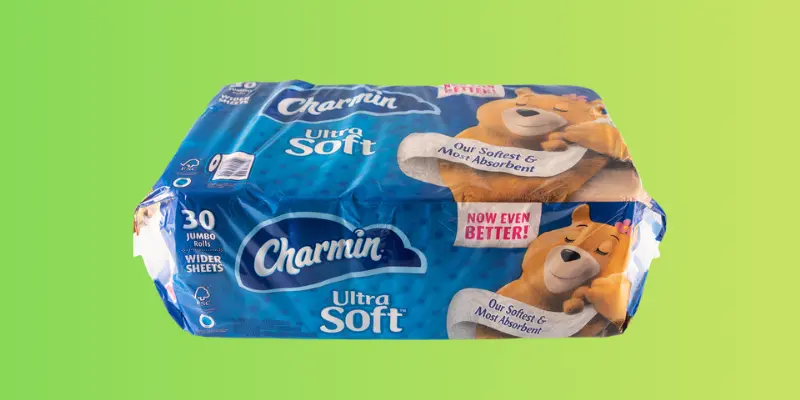
Procter & Gamble faced a class action lawsuit alleging that its Charmin toilet paper was marketed as environmentally responsible, even though the company was accused of sourcing pulp from Canada’s boreal forest—a sensitive ecological region.
This contradiction between marketing claims and sourcing practices led to public criticism and reputational risk.
Why it matters: The case shows how misleading forestry claims can trigger lawsuits and pressure brands to disclose real supply chain practices.
2. ASOS, Boohoo & Asda
The UK Competition and Markets Authority (CMA) opened an investigation into these major fashion retailers for using vague sustainability claims in their so called “eco friendly” clothing lines.
Their marketing suggested low environmental impact, but the claims lacked data or proper verification.
Why it matters: Regulators are cracking down on fashion greenwashing, especially around recycled materials and “conscious” product lines.
3. Shein
In 2025, fast fashion giant Shein was fined €1 million by the Italian Competition Authority (AGCM) for overstating the environmental benefits of its “evoluSHEIN” collection.
Claims about product recyclability and circular design were found to be vague, generic, and misleading.
Why it matters: This is one of the clearest examples of regulators penalizing false “circular fashion” claims.
4. Armani
In 2025, Armani was fined €3.5 million by the Italian Antitrust Watchdog (AGCM). The brand promoted strong ethical and environmental values, yet investigations found illegal labor and poor working conditions in subcontracted workshops—contradicting its marketed ethical standards.
Why it matters: Greenwashing isn’t just environmental—ethical and social responsibility claims also fall under scrutiny.
5. Coca-Cola
Coca Cola has faced several lawsuits and regulatory challenges, including:
U.S. Court Case (2024)
A federal appeals court ruled that Coca-Cola’s aspirational sustainability statements—like goals for recycled content and recyclability—could mislead consumers, given the company’s massive plastic footprint of 2.9 million metric tons per year.
LA County Lawsuit (2024)
Coca Cola and PepsiCo were accused of a “disinformation campaign,” suggesting their PET bottles could be endlessly reused, when they realistically can be recycled only once.
France (2024 Olympic Games)
Environmental group FNE accused Coca Cola of misleading claims about reducing single use plastics during the Paris Olympics.
Why it matters: Coca-Cola is often cited as one of the world’s largest plastic polluters and these cases show how sustainability marketing can backfire when reality doesn’t match the message.
How to Identify Whether a Brand Is Greenwashing
Most consumers want to buy from eco friendly brands, but not everyone knows how to spot fake claims.
Here’s a simple, everyday guide to help anyone quickly figure out whether a brand is truly sustainable or just pretending.
1. Look for Specific Details, Not Buzzwords
Greenwashing brands use vague words:
- “Eco‑friendly”
- “Green”
- “Natural”
- “Planet-safe”
- “Sustainable choice”
Genuine brands provide: Claim details along with proofs and process on label claim or on their websites.
- “Made with 60% recycled plastic”
- “100% FSC‑certified paper”
- “Compostable in home compost within 180 days”
2. Check for Real Certifications
Real green brands use verified third party certifications, such as:
- FSC (paper)
- GRS / RCS (recycled materials)
- BPI / OK Compost (compostable items)
- Ecolabels from known organizations
Greenwashing signs:
- Fake logos
- Self‑created “eco badges”
- Symbols that look official but are not backed by any agency
3. See If the Brand Is Honest About Limitations
Real sustainable companies admit:
- What they can’t fix yet
- What they are improving
- What their goals are
Greenwashing companies act like everything is already perfect.
4. Check the Packaging Functionality
Ask yourself:
- Can this actually be recycled in my city?
- Is it mono-material (all one material)?
- Is the brand offering refills or reuse options?
Greenwashing red flags:
- “100% recyclable” printed on complicated multi‑layer packaging
- Compostable packaging without instructions
- Paper packaging with plastic coatings
5. Notice If They Overhype Small Actions
If the brand advertises one tiny green initiative (e.g., “we reduced plastic in the cap by 2%”) but ignores bigger environmental issues, it’s a sign of greenwashing.
True green branding is holistic—not a one time fix.
6. Watch for Misleading Claims
Beware of:
- “Biodegradable” plastics that only break down in the industrial facilities
- “Mono Layer Plastic” but hidden other plastic layers
- “Cruelty-free” or “ethically made” without proof
- Promises without deadlines (e.g., “We aim to be green someday…”)
Top 3 Future Technologies that Will Help to Expose Greenwashing
1. Digital Product Passports (DPP) or Digital Tag
In the near future, almost every product may come with a Digital Product Passport—a scannable QR code that reveals the entire environmental story of the packaging.
How it exposes greenwashing:
- Shows where the material came from
- Lists percentage of recycled content
- Shows real recyclability in different regions
- Displays carbon footprint of production and transport
- Verifies certifications (no fake eco‑labels)
Consumers will be able to scan a pack with their phone and instantly see whether a brand’s sustainability claims are true or exaggerated.
2. Blockchain Based Supply Chain Tracking (Unchangeable Proof)
Blockchain will allow brands to store sustainability data in a tamper proof, transparent system.
This means companies can no longer claim something is “eco-friendly” unless they have verified records to support it.
How it exposes greenwashing:
- Records every step: raw materials → manufacturing → packaging → distribution
- Cannot be altered or manipulated once uploaded
- Helps verify ethical sourcing, recycled materials, carbon measurements
- Shows real vs. claimed environmental action
Instead of trusting a brand’s marketing, consumers and regulators will trust the immutable data behind the product.
3. AI Powered Sustainability Verification & Material Analysis
AI will become one of the strongest tools to detect greenwashing.
Advanced AI can analyze packaging materials, supply chain data, and even marketing language to judge whether claims are truthful.
How it exposes greenwashing:
- Scans packaging composition to identify hidden plastics or lamination
- Flags vague, misleading, or legally non‑compliant green claims
- Compares brand claims with industry databases & environmental standards
- Detects inconsistencies between a brand’s claims and actual environmental performance
AI could even allow consumers to take a photo of a product and instantly receive a “green score” telling them whether the brand is truly sustainable.
Conclusion
In today’s world, where sustainability is no longer optional, understanding Greenwashing vs Green Branding is essential for both businesses and consumers. As eco‑awareness grows, brands must shift from making empty claims to taking genuine, measurable actions. True green branding builds trust, loyalty, and long‑term value, while greenwashing only harms reputation and slows environmental progress. With stricter regulations, smarter consumers, and emerging technologies that reveal the truth, the future will demand transparency. The path ahead is clear—businesses must choose honesty, responsibility, and real sustainability if they want to thrive in a greener tomorrow.
