Circular economy in packaging helps to protect the planet, save costs for businesses, meet consumer expectations and ensure compliance with current regulations.
Today, we all know that packaging plays an important role in protecting products, attracting consumers, storing products and handling them properly in the distribution cycle, but on the other hand, it is become the largest source of waste generation.
Because every day, tons of packaging materials, like plastic wrappers, bags, cartons, bottles and pouches are used and thrown, which creates massive waste.
And most of this waste ended up in landfills, oceans or burned, creating serious environmental problems such as plastic pollution, climate change and loss of natural resources.
This issue is rising at an alarming rate because of the growing trend of online shopping, excessive food packaging and demand for the consumer products.
Introduction
To address this growing issue, acceptance of circular economy is very important today.
Unlike the traditional linear model, such as “CREATE-USE-DESPOSE”, a circular economy is meant to keep materials in use as much as possible.
So, in packaging, we can design materials that can be reused, recycled or composted, instead of going for the waste after a single use.
By adopting circular principles in packaging, we can reduce waste, lower carbon emissions and conserve our natural resources.
What Is Circular Economy in Packaging?
A circular economy in packaging is a practice where packaging materials are designed or developed in such a way that they can be used for longer time, instead of used and throw.
In simple words, it focuses on reducing waste, reusing materials and recycling resources efficiently so that packaging does not become an environmental burden.
In a circular packaging system, materials are carefully selected for designing purpose, so they can be reused, recycled or safely returned to nature without harming the environment.
The goal is to develop a closed-loop cycle where packaging continuously moves here and there instead of ending up in landfills or oceans.
Linear Economy vs Circular Economy
Let’s compare the traditional economy with the circular economy for ease of understanding.
Points | Linear Economy | Circular Economy |
Model | Create → Use→ Dispose | Reduce→Reuse→ Recycle→ Regenerate |
Purpose | Use & Throw | Use as much as possible |
Waste Generation | High waste | Low waste |
Impact | Increases pollution & decreases resources | Reduces pollution & conserves natural resources |
Sustainability | Not sustainable | Sustainable |
So, why not switch to circular packaging, which helps to prevent waste before it is created?
Top 4 Principles of Circular Packaging
The key principles of circular packaging are reduce, reuse, recycle and regenerate, which helps to minimize waste, conserve natural resources and reduce environmental impact.
Let’s explore each principle one by one with real-world examples that are shaping the packaging industry.
1. Reduce
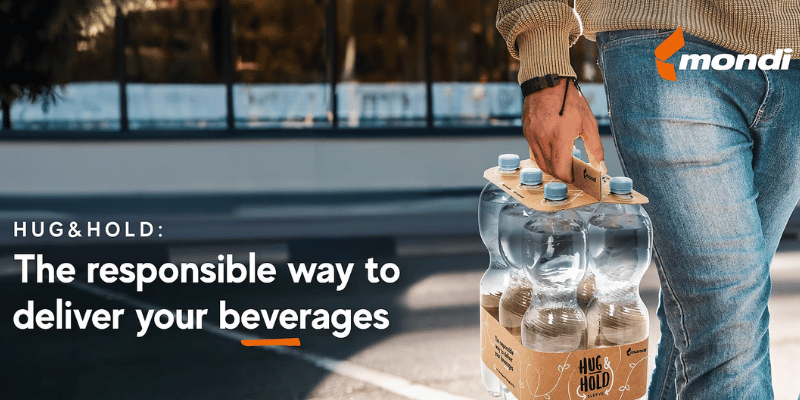
Reducing the usage of packaging material at the designing phase is the most important principle. So, just simply avoid the overpackaging of products.
By material optimization, companies can lower material consumption, reduce carbon emissions and generate less waste.
Consumers discard plastic materials and repurpose them into new products, a process known as PCR plastic.
PCR plastic refers to the use of plastic materials that have been discarded by the consumer and repurposed into new products.
This approach helps to reduce the need for new plastic resin, which ultimately reduces the environmental burden associated with plastic production, carbon footprint and disposal.
For example, brands like Coca-Cola and PepsiCo have started to use PCR plastic in their bottle packaging.
By using recycled plastic or waste plastic, companies can help to reduce the amount of virgin plastic that is going to manufactured, thus decreasing plastic pollution and conserving our limited resources.
2. Reuse
Reuse generally focuses on designing of packaging that can be used multiple times instead of just once.
For example, refillable bottles and reusable containers.
Reuse helps to extend the life of packaging materials and significantly reduces the demand for new materials.
A fantastic example of reusable packaging is Bamboo Bottle.
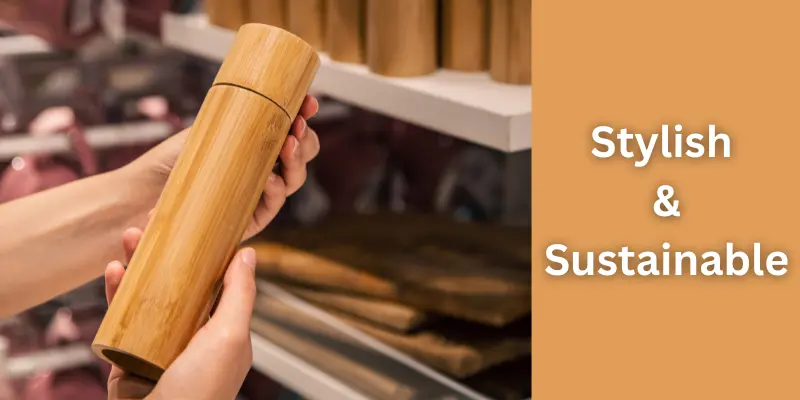
Bamboo is a sustainable material that is biodegradable, renewable and extremely durable.
These bamboo bottles can be used for a longer time, which eliminates the need for plastic bottles.
Since they are plastic-free, they eliminate the ingestion of harmful microplastics and the risk of leaching carcinogenic substances found in many plastic bottles.
Additionally, bamboo naturally contains bamboo kun, an antibacterial bio compound that helps to keep the water free from harmful bacteria, keeping water safe for a longer time.
3. Recycle
Design the recyclable packaging, so that it can be easily collected, sorted and recycled.
Effective recycling keeps valuable materials in circulation and reduces the need for new materials.
Boxed Water Is Better is a brand that offers a sustainable solution to reduce the environmental impact of plastic bottled water.
Instead of using plastic for bottled water, Boxed Water uses FSC-certified paper and a plant-based cap, which makes the entire pack fully recyclable and compostable.
So, compared to single-use PET bottles, Boxed Water’s plant-based cartons have a significantly lower environmental impact.
The Best Part of the Pack is:
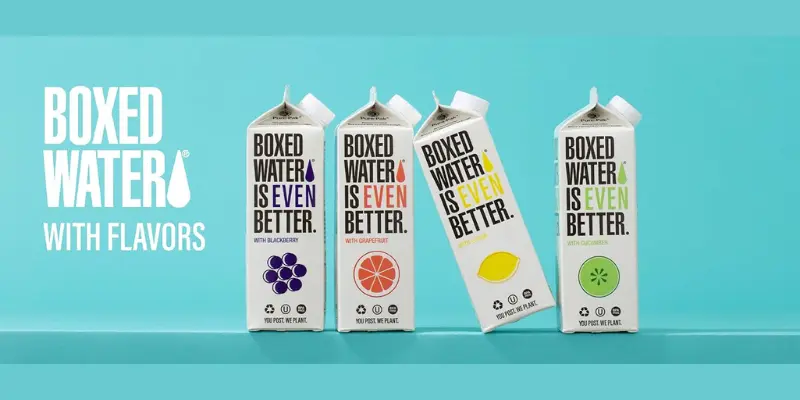
Sustainability: Made from FSC-certified paper & a plant-based cap.
Recyclable: Pack is 100% recyclable.
Supply Chain: Materials are supplied in flat packs, increasing truck occupancy and reducing carbon emissions.
BPA-Free: Safe and secure material for consumers.
LCA Tested: It is tested by a 3rd party research organization.
By sharing this, I am contributing in planting 2 more trees.
4. Regenerate
When reuse or recycling is not possible, packaging should be designed for compostability, so it can return safely into the nature.
Compostable and biodegradable packaging materials break down naturally into biomass without leaving any harmful residue in the environment.
This principle shows how we can turn waste into valuable resources and enrich the soil health.
A prominent example of regenerative packaging is the PLA (Polylactic Acid) bottle.
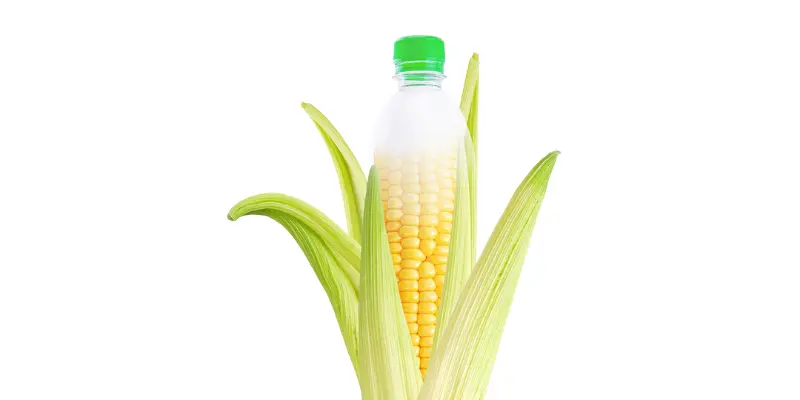
PLA is a biodegradable and compostable plant-based plastic made from renewable resources, like corn starch or sugarcane.
Unlike conventional plastic, which takes hundreds of years to break down in the environment, PLA bottles degrade within 180 days in the industrial facility.
Additionally, PLA packaging also produces fewer greenhouse gases during production compared to conventional plastic, making it a more sustainable choice for businesses and consumers.
For a deeper understanding of how circular economy principles can transform packaging, you can explore the Ellen MacArthur Foundation.
Circular Packaging Design Strategies
Design plays a critical role in circular packaging. Even the most sustainable material may fail if the packaging is poorly designed.
1. Recyclable Packaging
Recyclable packaging means developing packaging that can be easily collected, sorted and recycled in the waste management systems.
When packaging is easy to recycle, more material can stay in the loop instead of becoming waste.
2. Mono Material Packaging
Mono-material packaging uses a single type of material instead of multiple layers or combinations of different materials.
Mono-material designs improve recycling efficiency because they do not undergo complex separation processes.
3. Light weight Packaging
Light weight packaging involves reducing the thickness or weight of packaging without compromising product protection.
Minimal packaging focuses on eliminating unnecessary components such as excess layers or oversized boxes or fillers.
These simple strategies help to reduce usage of raw material, lower the carbon emissions and decrease the waste generation.
4. Modular and Refillable Packaging
Modular packaging systems are designed to be used for ease of recycling.
Refillable packs, returnable containers and standardized packaging formats extend product life and reduce waste.
These systems are becoming increasingly popular in food, personal care and household products as all brands are shifting toward the circular business model.
5. Zero Waste Packaging
Zero waste packaging aims to eliminate packaging waste entirely by designing products that do not require disposal after use.
A great example is NakedPak, a food innovation where the packaging becomes part of the meal.
For instance, noodles are wrapped in an edible film that dissolves when boiled in hot water. This is similar to our fruits and vegetables, just wash with water before eating or cooking.
This approach removes the need for traditional packaging and ensures that nothing is going for waste.
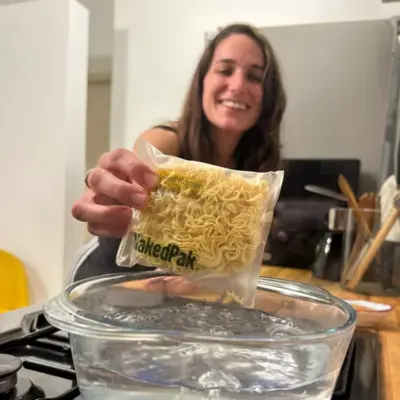
Such strategies not only reduce environmental impact but also simplify consumer behavior, making sustainability effortless and practical.
Benefits of Circular Packaging
The circular economy is not all about just the sustainability trend, it is a need of today’s generation.
As packaging waste continues to grow day by day, sustainable packaging helps to address most of the environmental challenges.
1. Environmental Benefits
One of the biggest advantages of circular packaging is its positive impact on the environment.
By proper material selection, optimization and efficient recycling, circular packaging helps to lower the amount of waste that is sent to landfills and oceans.
On the other hand, which reduces the need for virgin raw materials, ultimately lowers energy consumption and carbon footprints.
So, circular packaging plays a crucial role in fighting against the plastic pollution and climate change.
2. Cost Savings for Brands
Circular economy practices can make business profits in the long run.
Light weight packaging, use of recyclable materials and refillable package systems can help companies to reduce material and transportation costs.
Reusing materials and improving resource efficiency lowers dependency on raw material prices and supply chain disruptions.
Over time, circular packaging can improve profitability while supporting sustainability goals.
3. Demand for Sustainable Packaging
Today’s generations are more environmentally friendly than ever. So, that’s the reason big brands are using sustainable material for their product packaging.
Circular packaging helps to build trust, enhance brand image and meet consumer expectations.
4. Regulatory Compliance and EPR Policies
Governments all around the world are introducing stricter regulations to control packaging waste.
Adopting circular economy principles early helps companies to stay compliant with regulations and avoid penalties.
Challenges for Circular Packaging
Though circular packaging offers many benefits, its implementation comes with several challenges. So, understanding these barriers is very important for creating practical and effective solutions today.
1. Infrastructure Limitations
Infrastructure is one of the biggest challenges for proper recycling and composting of packaging waste material.
In many countries, waste collection, segregation and recycling are not properly established.
Without proper infrastructure, even recyclable or compostable packaging materials can pollute the environment.
2. High Costs
Circular packaging systems initially require higher cost.
Recycling of materials, use of sustainable alternatives and redesigning packaging at the nanoscale can increase the initial costs for small and medium-sized businesses.
3. Role of Consumer
Consumer actions and perceptions play a crucial role in the success of a circular packaging system.
Improper disposal, lack of awareness and wrong habits can prevent packaging to recycled properly.
4. Collection & Contamination Challenges
Contamination with non-recyclable material can hinder the process of recycling and increase the processing costs.
Improper waste collection can also complicate the process of material recovery.
5. Availability of Sustainable Packaging Materials
Sustainable packaging materials aren’t available to meet the current demand and supply of business.
Many eco-friendly materials are expensive and not yet widely produced on a larger scale.
For example, PLA (Polylactic Acid), a biodegradable alternative to plastic is still facing a supply shortage.
However, brands like Nestlé and Coca-Cola have tested successfully plant-based materials at pilot scale but not executed commercially because of supply issue.
Additionally, other materials like bamboo and mushroom-based packaging are still in early stages of development and are not available for commercial scale.
Future of Circular Economy in Packaging
The future of packaging is circular and this is supported by environmental awareness, new technologies and government regulations across industries.
1. Innovations and Emerging Technologies
New technologies, such AI, robotics and 3D printing are transforming how packaging shall be designed for a circular economy.
Advanced recycling methods, such as chemical recycling and enzyme-based recycling, are helping materials to retain their original quality even after multiple recyclings.
Innovations in bio-based and compostable materials are also accelerating the shift toward circular packaging.
2. Role of Government in Policies and Regulations
Regulations such as Extended Producer Responsibility (EPR), plastic waste management rules, recycled content mandates and bans on single-use plastics are pushing brands to redesign their packaging strategically.
Incentives, subsidies, tax benefits and public private partnerships further support the investments in recycling infrastructure and sustainable packaging solutions.
3. Growth Opportunities for New Start-ups
The transition to a circular economy is creating massive opportunities for start-ups to set their brands quickly in the market.
So, new companies are focusing on reusable packaging systems, green materials, recycling technologies and sustainable packaging for strong market attention.
Conclusion
The circular economy in packaging is no longer just a concept, it is a need to address the growing challenges of packaging waste, resource depletion and climate change.
By shifting from a linear “take–make–dispose” model to a circular approach, the packaging industry can significantly reduce environmental impact while creating long-term value.
For brands and packaging designers, adopting circular packaging means designing smarter, using recyclable and renewable materials, minimizing waste and taking responsibility for the full lifecycle of packaging.
For consumers, small actions such as proper waste segregation, reusing packaging and choosing sustainable brands can make a meaningful difference.
Circular packaging directly supports global sustainability goals by lowering carbon emissions, reducing plastic pollution and conserving natural resources.
When businesses, governments and consumers work together, packaging can move from being a major environmental problem to a powerful climate solution.
The future of packaging depends on collective action.
By embracing circular economy principles today, we can protect the planet, support climate resilience and build a truly sustainable packaging ecosystem for future generations.